

8mm toughened glass price
The Importance of 2% Gate Valve in Industrial Applications Gate valves are crucial components in various industrial applications, utilized for controlling the flow of liquids and gases. Among the different types of gate valves, the 2% gate valve has emerged as a significant variant, particularly in the year 2016, when innovations and improvements in valve technology reached new heights. This article explores the features, advantages, and applications of 2% gate valves, highlighting their relevance in modern industry. Understanding Gate Valves Gate valves are designed to provide a straight flow path through the valve, making them ideal for fully open or fully closed operations. This design minimizes the pressure drop and turbulence in the pipeline, which is essential for maintaining efficient flow rates. Gate valves operate using a gate-like mechanism that moves up and down, allowing or obstructing the flow of media. The term 2% refers to the tolerance level in the manufacturing process, ensuring that the valve's performance specifications are maintained within an acceptable range. Key Features of 2% Gate Valves One of the significant aspects of the 2% gate valve is its precision engineering. The 2% tolerance allows manufacturers to deliver products that perform reliably under various conditions. These valves are typically constructed from durable materials such as stainless steel, carbon steel, or cast iron, which enhances their longevity and resistance to corrosive environments. Additionally, 2% gate valves are designed for high-pressure and high-temperature applications, making them suitable for use in industries such as oil and gas, water treatment, and chemical manufacturing. Another notable feature is the ease of operation. Most 2% gate valves are equipped with a manual handwheel or an actuator for automated control, providing flexibility in operations. The valve’s design ensures minimal friction during opening and closing, which contributes to its operational efficiency. 2 1 16 gate valve Advantages of 2% Gate Valves The advantages of 2% gate valves are manifold. Firstly, their quick and straightforward operation reduces downtime in industrial processes. When immediate flow control is necessary, these valves can be opened or closed rapidly, ensuring processes are not unnecessarily delayed. Secondly, their low-pressure drop characteristics promote energy efficiency, leading to cost savings in both operational and energy expenses. Moreover, the durability of the materials used in 2% gate valves ensures that they can withstand harsh conditions without significant wear and tear. This resilience leads to a lower frequency of maintenance and replacement, further enhancing their cost-effectiveness. Applications in Various Industries 2% gate valves find applications across a wide array of industries. In the oil and gas sector, for instance, they are utilized in exploration and production environments where controlling the flow of hydrocarbons is critical. Likewise, in the water treatment industry, these valves help regulate the flow of water through treatment facilities, ensuring that processes run smoothly and efficiently. Additionally, the chemical manufacturing sector employs 2% gate valves to manage the flow of various chemicals, promoting safety and reliability in hazardous environments. Conclusion In conclusion, the 2% gate valve represents a vital innovation in valve technology that addresses the growing needs of various industrial applications. Its precision engineering, operational efficiency, and durability make it an indispensable component for industries where flow control is paramount. As industries continue to evolve and demand higher performance standards, the importance of robust solutions like the 2% gate valve will only increase, ensuring safe and efficient operations across the globe. Understanding the features and applications of these valves is essential for engineers and operators who strive to maintain optimal performance in their systems.
about
8mm toughened glass price
Manual Check Valve An Overview A manual check valve is an essential component in various piping systems, particularly in industries such as oil and gas, water treatment, and manufacturing. Its primary function is to prevent backflow in a pipeline while allowing flow in the intended direction. Unlike automatic check valves, which rely on pressure differentials to open and close, manual check valves require human intervention to operate. This article aims to explore the types, functions, applications, and maintenance of manual check valves. Types of Manual Check Valves Manual check valves come in several varieties, each designed for specific applications. The most common types include 1. Swing Check Valve This type features a hinged disc or flapper that swings open to allow flow and closes when there is backflow. It is often used in water and sewage applications. 2. Lift Check Valve This valve has a movable disk that lifts off its seat to allow flow and drops down to prevent backflow. It is commonly used in high-pressure systems. 3. Ball Check Valve This type uses a spherical ball that moves up and down to permit or obstruct flow. It's particularly effective in applications requiring quick closure and minimal leakage. 4. Globe Check Valve Designed with a globe shape, this valve controls the flow direction efficiently. It is suitable for applications needing precise throttling but may not be the first choice for high-speed systems. Each type has its own advantages and ideal use cases, making it important to select the right type based on specific system requirements. Functions and Applications The main function of a manual check valve is to prevent backflow, which can lead to contamination of supply lines, damage to equipment, and inefficiencies in processes. These valves play a crucial role in ensuring the reliability and safety of various systems. Applications include - Water and Wastewater Management Manual check valves are commonly used to control the flow of water in treatment plants, preventing contaminated water from flowing back into clean water systems . manual check valve - Industrial Processes In manufacturing, these valves protect equipment from damage by preventing reverse flow. They also help maintain the efficiency of production processes. - Oil and Gas In the petroleum industry, manual check valves are employed to ensure that oil flows only in one direction, safeguarding against leaks and environmental hazards. - Heating Systems In HVAC (Heating, Ventilation, and Air Conditioning) systems, they prevent backflow of cooled or heated air, maintaining desired temperature settings. Maintenance of Manual Check Valves To ensure optimal performance and longevity of manual check valves, regular maintenance is crucial. This includes - Routine Inspections Regularly checking the valve for signs of wear, corrosion, or damage can help identify issues before they escalate into significant problems. - Cleaning Residue buildup from materials being transported can impede the valve's function. Periodic cleaning can prevent blockages and maintain smooth operation. - Testing Manual check valves should be tested periodically to ensure they open and close correctly. This may include functional testing under normal operating conditions. - Replacement of Parts If a valve is found to be faulty, replacing parts such as seals or discs may restore functionality. In severe cases, complete replacement may be necessary. Conclusion In conclusion, manual check valves are vital components in many piping systems, playing a key role in preventing backflow and ensuring the reliability of various processes. By understanding the different types of manual check valves, their functions, applications, and maintenance requirements, industries can enhance their operational efficiency and ensure safety. Proper selection and upkeep of these valves can lead to significant cost savings and a reduction in downtime, ultimately contributing to the overall success of industrial operations. As technology continues to advance, the design and functionality of manual check valves will likely evolve, offering even more specialized solutions for future applications.
-

High quality industrial productsagement

High quality industrial products
View Details -

Meet the diverse needs of customers

Meet the diverse needs of customers
View Details -

Strict quality control

Strict quality control
View Details -

Top raw materials

Top raw materials
View Details -

Trusted supplier

Trusted supplier
View Details
Our application


news and information

Valvola a farfalla da 250 mm per applicazioni industriali e sistemi di controllo del flusso
Valvola a Farfalla da 250 mm Un Componente Essenziale per la Regolazione dei Fluidi La valvola a far
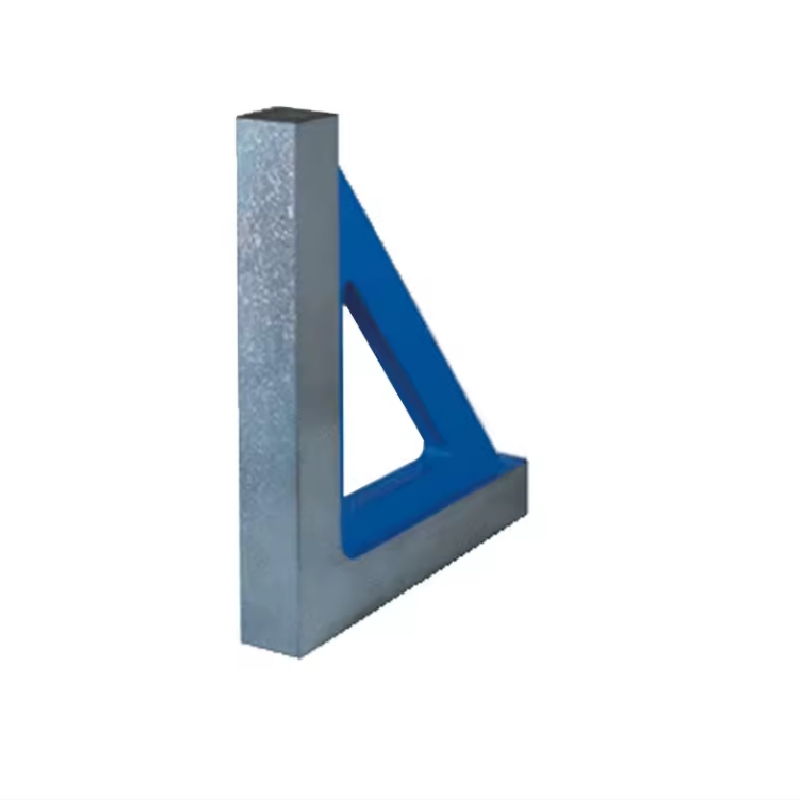
Versatile Welding Workbench for Efficient Metal Fabrication and Assembly Tasks
The Essential Guide to Welding Tables Your Ultimate Workbench Companion When it comes to metal fabri
Y-type filter met afvoerkraan voor efficiënte vloeistofbehandeling
Y-Type Filter met Afsluitklep Een Efficiënte Oplossing voor Uw Pijpleidingsysteem In de wereld van i
 English